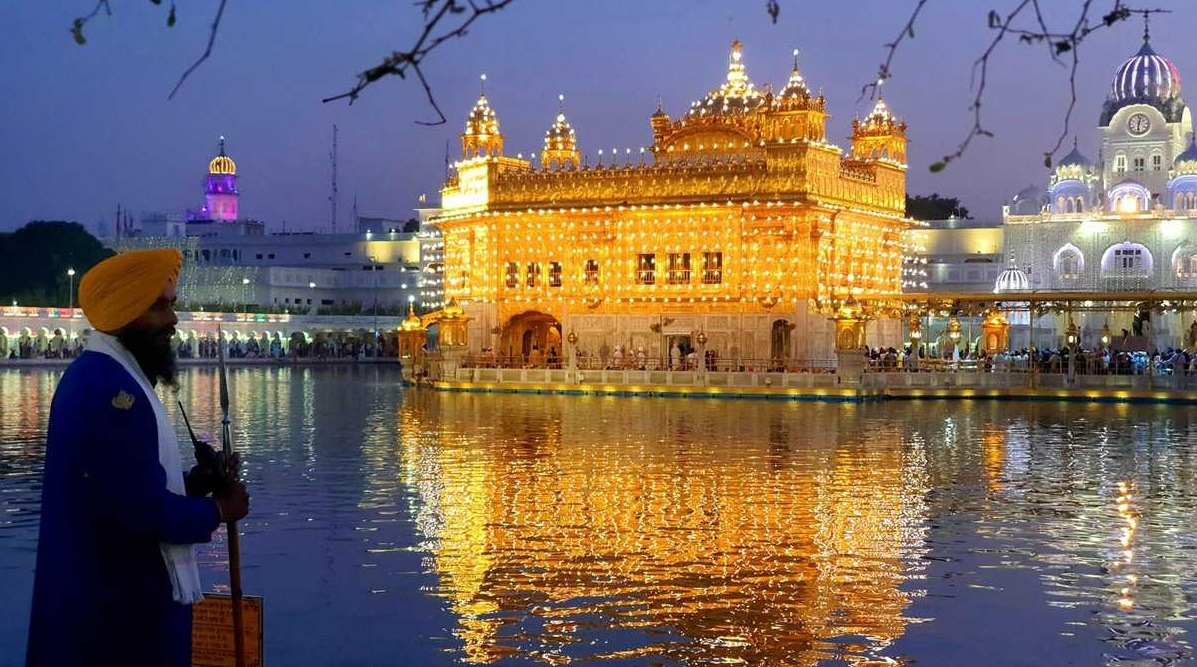
It isn’t just decorative, it is symbolic. In Sikh tradition, the temple’s openness to people of all religion, faith and ethnicity matters far more than its ornamentation. The gold simply reflects the idea that the sacred belongs to everyone.
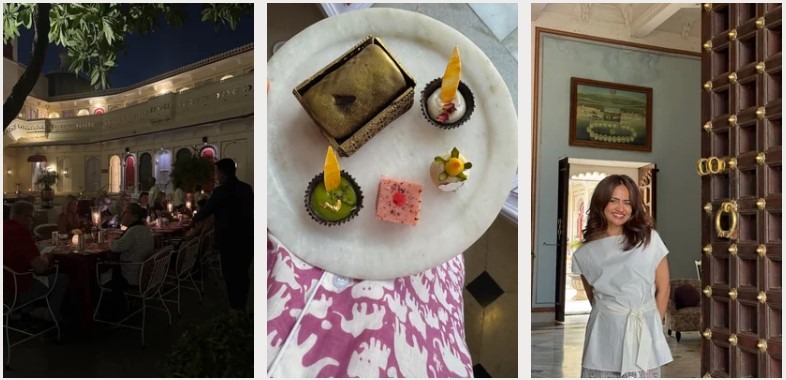
Zeenat Wilkinson, who travelled with us on last year’s Diwali Delights tour, recently shared a beautiful account of her journey — capturing the warmth of the celebrations, the generosity of the people she met, and the sensory richness of India during its most luminous festival season.
A fashion editor and founder of Sauce, Zeenat brings a thoughtful perspective to her travel diary, exploring the intersection of style, heritage and storytelling through a deeply personal lens.
Here’s an excerpt from her travel feature in Saucemag:
“I arrived in Delhi from Auckland, New Zealand after a short pitstop in Mumbai. Within minutes of leaving the airport, I’m overwhelmed by the traffic. Honking cars, weaving rickshaws and motorbikes carrying entire families surge through the old narrow streets in what feels like a beautifully chaotic ballet. It quickly becomes clear that the Diwali shopping rush in Delhi is an Olympic sport.”
Read the full article with some stunning photographs from the tour.
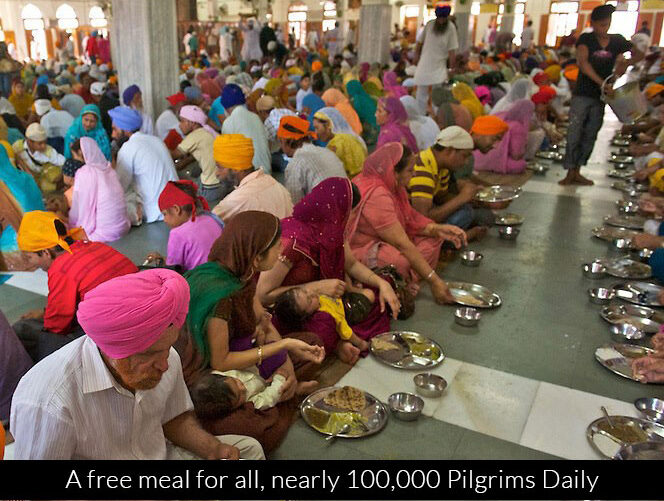
One of the most memorable experiences of visiting Amritsar isn’t just seeing the Golden Temple, it’s sharing a meal there.
Inside the temple complex, you are invited to sit on the floor alongside hundreds of others and take part in the langar, the remarkable community meal served every day to tens of thousands of people. The food is simple – fresh rotis, dal, vegetables and kheer (a traditional dessert), but the experience is quietly powerful. Everyone eats together. No distinctions. No ceremony. Just a shared moment of humanity.
What makes the visit even more special is the opportunity to step behind the scenes and help. Guests can join volunteers rolling rotis, stirring giant pots of dal, serving meals or helping with washing dishes. It’s a small act, but a deeply moving one.
Beyond the temple, Amritsar’s streets are full of bold Punjabi flavours – smoky dhaba meals, buttery kulchas straight from the tandoor, and chai that seems to taste better simply because of where you are.
But it is often that simple meal in the langar hall that stays with travellers the longest, and
becomes one of the most memorable and meaningful moments of their journey through India – a reminder that sometimes the simplest experiences stay with us the longest
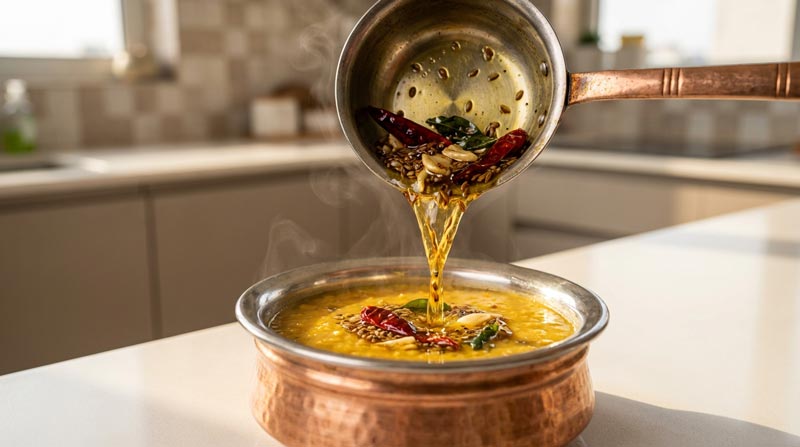
In Indian cooking, spices are rarely added all at once — they’re layered in stages to build flavour.
A dish might begin with whole spices like cumin or mustard seeds briefly toasted in hot oil (tadka), followed later by ground spices such as turmeric or coriander, and finished with fresh herbs like coriander leaves or garam masala at the end. Each step adds a different dimension — aroma, depth, warmth or freshness.
This is one of the reasons Indian food tastes so complex and balanced, even when the ingredient list looks simple. And once travellers notice this technique, they start tasting it everywhere — from home kitchens to street stalls to royal dining tables.
With so much uncertainty and unrest in parts of the world right now, many travellers are thinking more carefully about where and how they travel.
The encouraging news is that India continues to be a welcoming and rewarding destination for visitors, and our January 2027 journey is going ahead as planned. In many ways, it feels like exactly the kind of experience people are looking forward to – something immersive, meaningful and uplifting to anticipate.
Our guests travel with experienced local teams throughout the journey, stay in carefully selected international hotels, and are supported from arrival to departure – allowing them to relax and enjoy India with confidence. If India has been quietly sitting on your “one day” list, this might be the moment to begin the conversation.
Warm regards,
Malhar
Good Food Journeys