INDIA IN THE MONSOON. A Side of India Most Travellers Never See
The monsoon is far more than just a weather season in India. It is deeply tied to the country’s agriculture, economy, food and daily life. For generations, farmers have depended on the rains for their crops and livelihoods, and in many parts of the country, prayers and rituals are still performed in the hope of a good monsoon season.
For many people outside India, the monsoon sounds like something to avoid – heavy rain, flooded roads and disruption. But it is also one of the most beautiful times to experience the country as a tourist.
After months of dry heat, the landscape changes almost overnight. Dusty hills suddenly turn deep green. The air cools and the smell of rain on earth is something locals yearn for after months of summer.
There is a certain atmosphere to India during the rains that is difficult to explain unless you have experienced it yourself.
One of the most extraordinary places to witness this transformation is the state of Meghalaya in India’s far northeast. The name Meghalaya literally means “the abode of clouds”, and it suits the place perfectly.
And hidden within Meghalaya is one of the most fascinating places in the world during monsoon season – Cherrapunji.
CHERRAPUNJI – WHERE THE CLOUDS LIVE
For many years, Cherrapunji was considered the wettest place on Earth. That mantle has now shifted to a village 20km away. Nevertheless, Cherrapunji is legendary in India.
Located high in the hills of Meghalaya near the Bangladesh border, it receives astonishing amounts of rainfall during the monsoon months. But despite that reputation, Cherrapunji is spectacular, not gloomy.
Cherrapunji receives an average annual rainfall of around 11,000–12,000 millimetres. To put that into perspective, Auckland receives roughly 1,200 millimetres of rain in an entire year.
During peak monsoon periods, the rain there can feel almost relentless, clouds rolling in for days at a time, waterfalls appearing suddenly along cliffsides and entire valleys disappearing into mist.
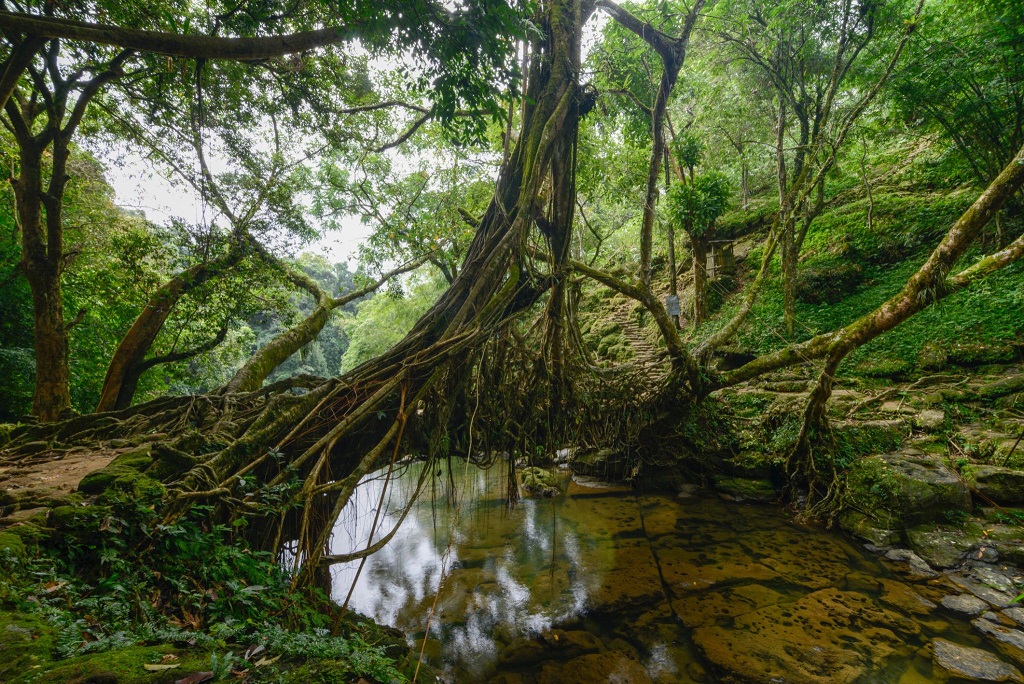
The region is also famous for its living root bridges – natural bridges formed over decades by guiding the roots of rubber trees across streams and rivers. Some of them are over a hundred years old and are still used by local communities today.
FOOD DURING THE MONSOON
Across India, monsoon (Baarish) season changes not just the landscape, but also the way people eat. Food somehow tastes different during the rains.
When the monsoon skies open up over India, the culinary landscape shifts into a sensory celebration of warmth, crunch, and comfort. One of the beautiful things about India is how dramatically food changes from one region to another.
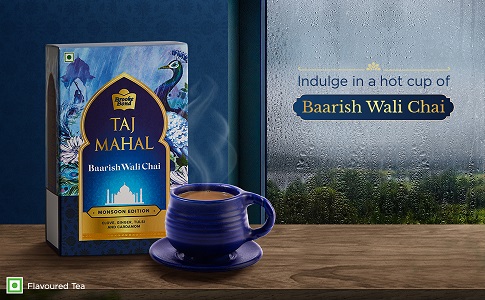
India drinks an estimated one billion cups of chai every day, and during monsoon season tea stalls become even busier. Tiny roadside chai stands turn into social gathering spots as people escape sudden downpours over steaming cups of ginger and cardamom tea, often with Parle-G biscuits being dunked into the chai – a ritual that is uniquely Indian…
Rainy evenings often call for hot chai, fresh pakoras and roasted corn cobs eaten while standing under shop awnings. Climate, geography, history and local culture all shape the cuisine. Monsoon simply brings those differences to life even more vividly. And perhaps that is why food memories from rainy days tend to stay with people for years.
MONSOON IN INDIA
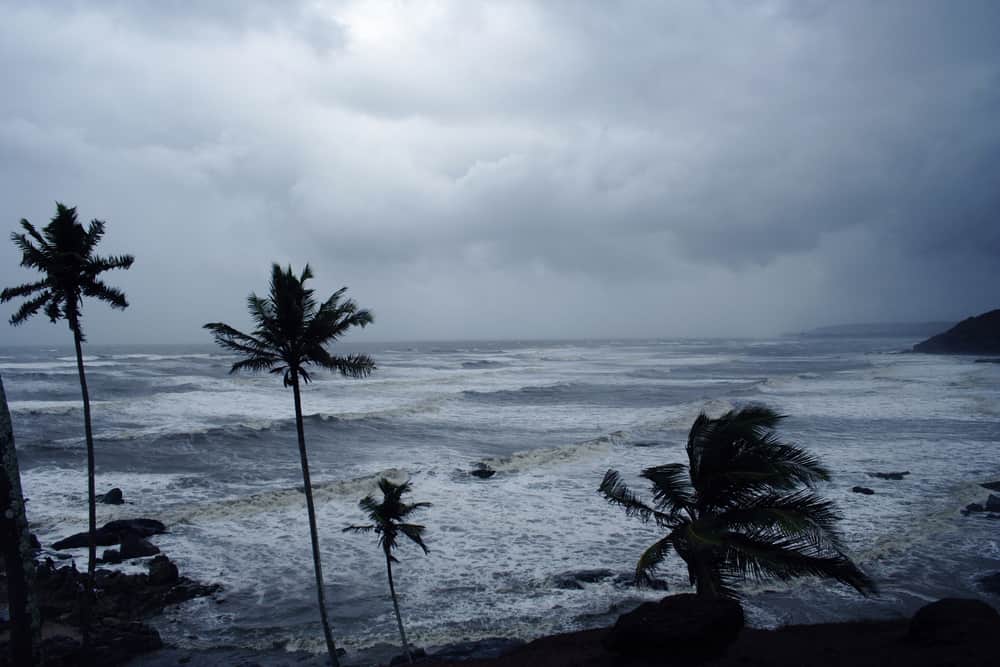
There is an intensity to India during summer. The heat, traffic and sheer pace of life can feel overwhelming at times – especially for first-time visitors.
But the monsoon softens the country as the air cools down. India feels different in the rain – it may be less polished, but often more memorable.
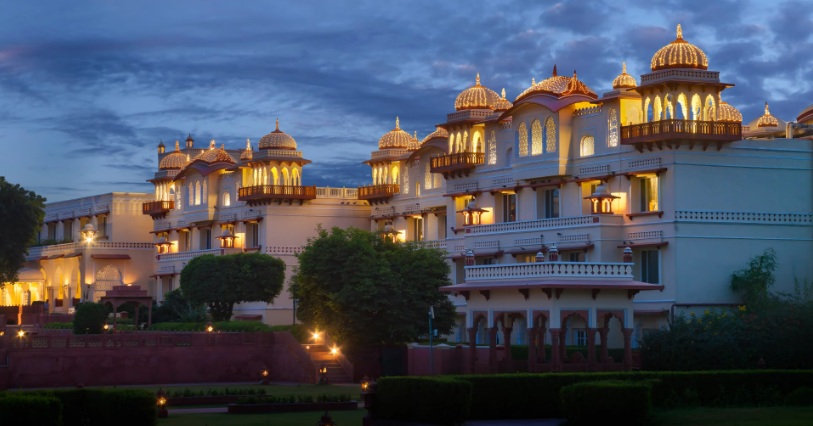
For travellers, monsoon may not be the obvious time to visit. But for those who enjoy atmosphere, landscapes, food and experiences that feel genuine, it can be one of the most rewarding times to see the country. Being off-season, hotels offer amazing deals with accommodation in luxury hotels available at a fraction of the cost of peak season.
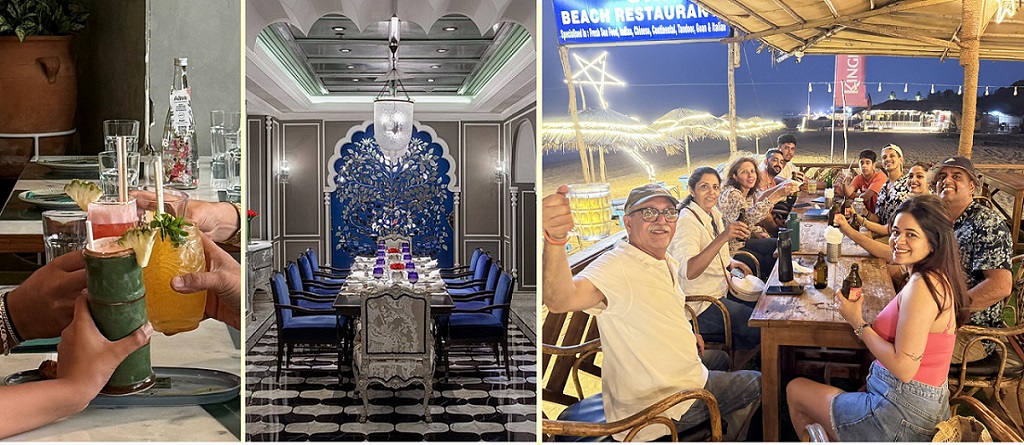
One of my favourite places to visit in India while I lived there was Goa. Known around the world for its beaches and summer nightlife, Goa becomes something entirely different during monsoon season.
Beachfront 5-star luxury resorts that were out of bounds as a young adult during the peak summer season were suddenly affordable in monsoon. It has been more than 25 years since I last visited Goa during the monsoon, but I still vividly remember the lush greenery of the resort, the empty golden beaches and the sound of huge waves crashing through the night.
AN AWARD WINNING ADVERTISEMENT CAMPAIGN
Brook Bond Taj Mahal Tea (a Unilever product) has created this installation called the “Megh Santoor“ at a Railway station in South India in 2023. The huge Santoor (a Indian classical musical instrument), which is 150 ft wide, has been designed such that with every rain shower, the water interacts with the Santoor strings recreated on the billboard to present a rendition of the Raag Megh Malhar, the raga of the rains.
This unique fusion of technology, weather, and branding was recognized by the Guiness World Record as the largest environmentally interactive billboard in the world, perfectly linking the sensory experience of rain with the consumption of tea.
Warm regards,
Malhar
Good Food Journeys