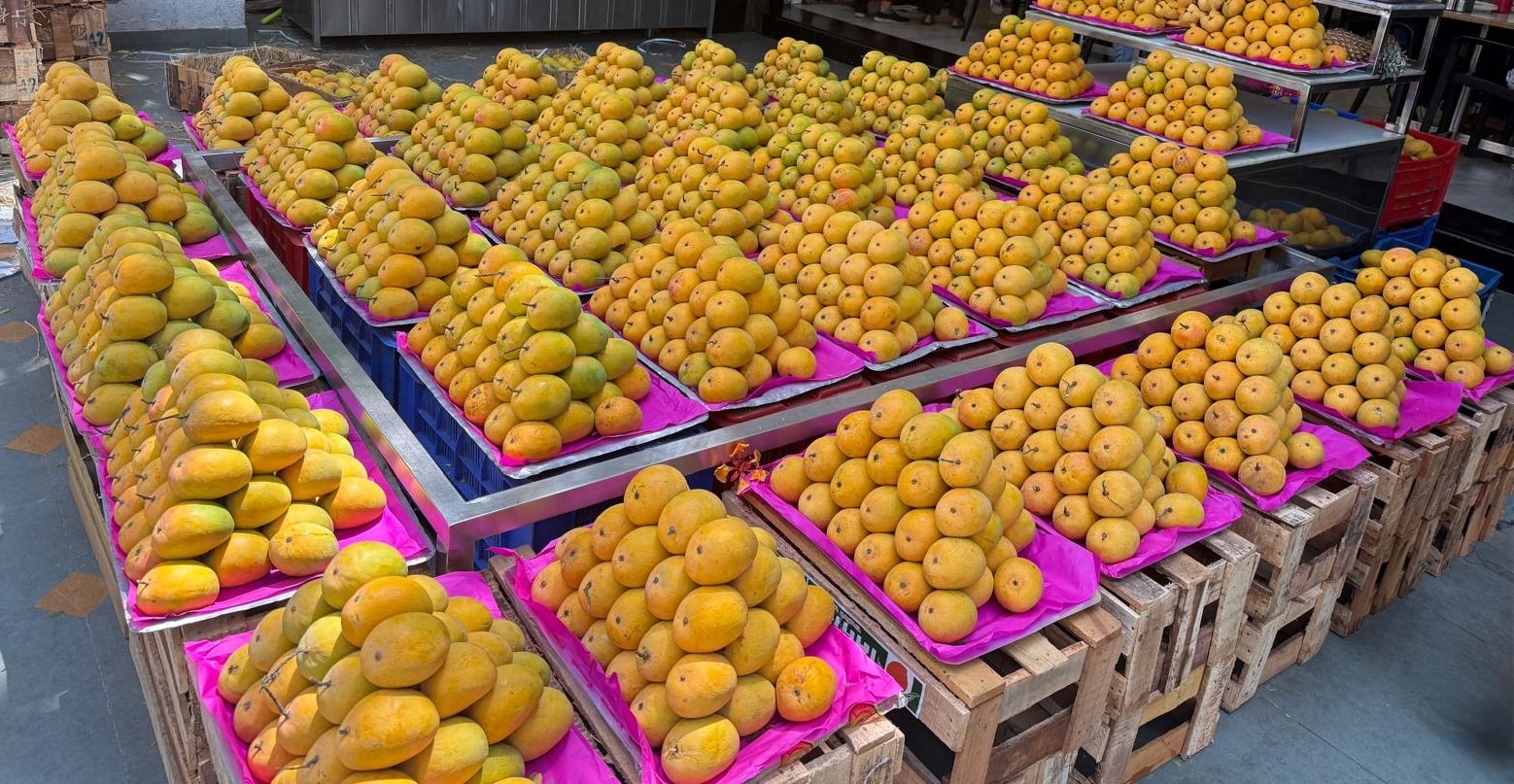
If there is one month that quietly captures the spirit of India, it is May. This is mango season.
Across western India in particular, conversations begin to revolve around which orchard has produced the best Alphonsos this year, which family has received their first crate from Ratnagiri (a coastal town famous for its Mango produce), and whether the fruit should be eaten chilled, sliced, or simply squeezed gently and enjoyed whole in the old-fashioned way.
May is also the summer holidays for kids. For most kids, mango season signals the arrival of summer holidays, visits to grandparents’ homes, slower afternoons, and meals that stretch a little longer than usual because no one is in a hurry to leave the table.
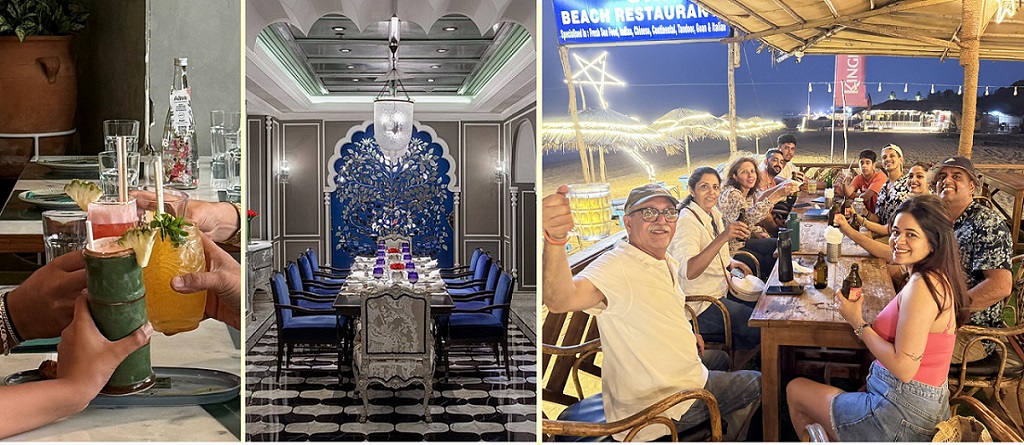
This month, I thought I would take you somewhere especially close to my heart – Pune, my hometown, and introduce you to the food traditions of Maharashtra. The cuisine rarely shouts for attention but is unique in many ways. The image above is outside a restaurant near my home. They have a special ‘Mango Dessert menu’ for two months and use all that produce each day!

Most first-time visitors to India generally visit cities like Delhi, Jaipur or Mumbai. Pune is something else entirely.
Like any other place in India, it is densely populated. For perspective, it is about 1/10th the size of Auckland, with population of over seven million! But unlike Mumbai’s humidity or Delhi’s extremes, Pune’s climate is milder for much of the year, which has long made it a preferred place for students, retirees and artists.
Set on the edge of the Western Ghats and shaped by centuries of scholarship, politics and culture, Pune has long been known as the intellectual heart of Maharashtra and the “Oxford of the East”. With over half a million students from across India and overseas, Pune has the feel of a university town on a very large scale.
Pune’s recorded history stretches back more than 1,600 years. It was once the seat of the Peshwas of the Maratha Empire, and later became a centre of reform movements, universities, classical music traditions and theatre. It was also an important centre during India’s freedom struggle against British rule.
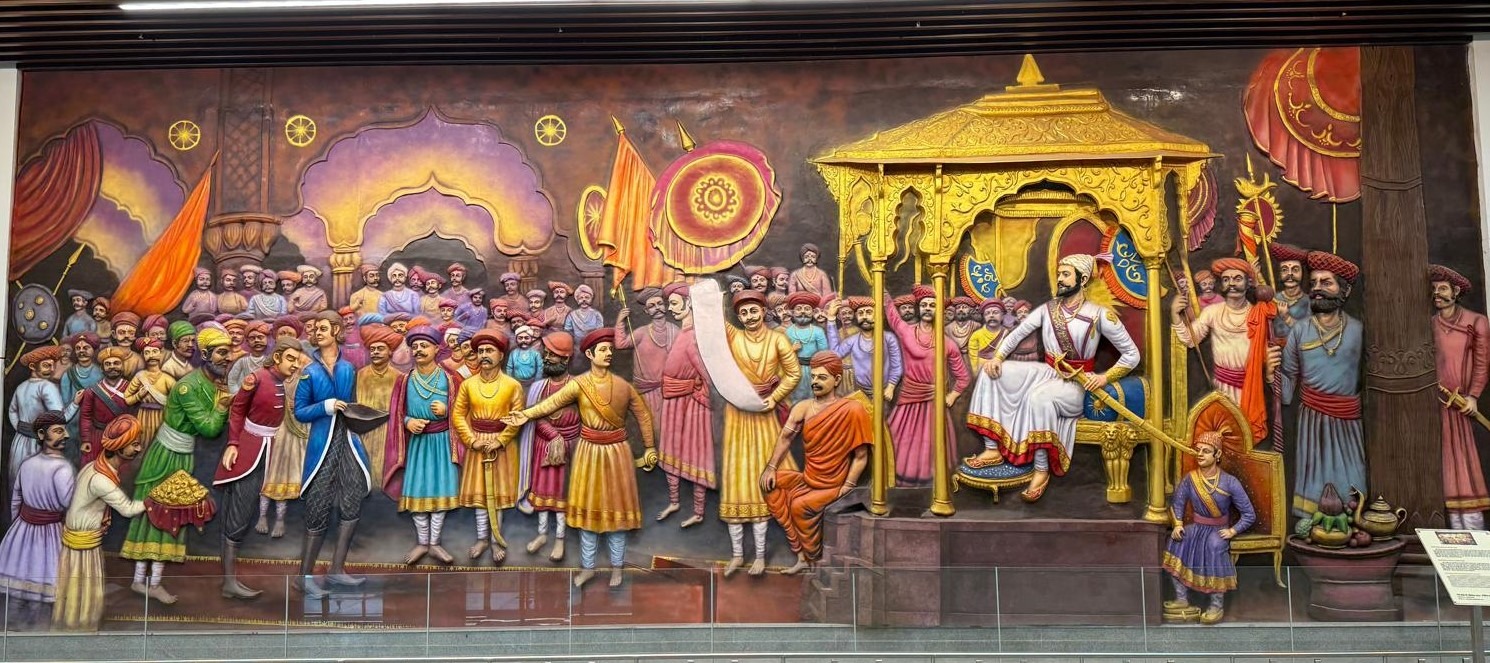
When travelling through Maharashtra, one historical figure appears everywhere: Shivaji Maharaj. The image above is a mural at the Pune Airport showing his coronation.
In the 17th century, when much of India was ruled by the Mughal Empire, he founded what became the Maratha Empire. From the mountain ranges around Pune, he built a remarkable network of strategically located hill forts that allowed smaller forces to move quickly and control entire regions. Over time, the Marathas grew into the most significant power to challenge Mughal dominance across large parts of India.
Growing up in Pune, I trekked many of the forts associated with this period, and each visit came with stories of strategy, resilience and courage from that era. These stories are still taught in schools today and remain an important part of Maharashtra’s culture.
One of the most remarkable episodes from his life took place far from Maharashtra, in Agra, a city most travellers know because of the Taj Mahal. In 1666, Shivaji Maharaj travelled there to meet the Mughal emperor Aurangzeb, the son of Shah Jahan who built the Taj Mahal. Instead of being honoured, he was placed under house arrest.
After weeks of careful planning, he obtained permission to send daily baskets of sweets as religious offerings outside the residence. When guards grew accustomed to the routine, Shivaji and his young son are believed to have hidden inside the baskets and passed through the gates unnoticed.
By the time the escape was discovered, they were already beyond reach. He eventually made the long journey back to Maharashtra, where his return strengthened both his authority and his legend.
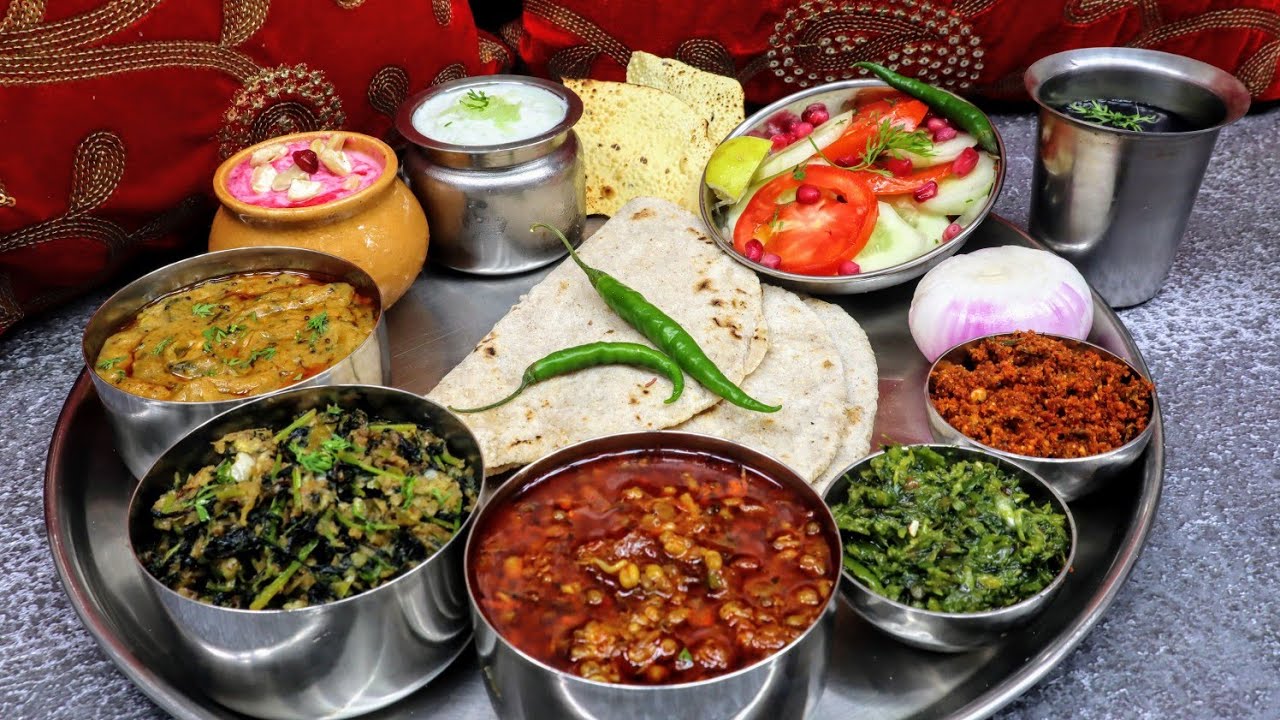
Maharashtra is a large and surprisingly varied state, and its food reflects that diversity beautifully. Unlike the rich, creamy dishes of North India, Maharashtrian food is simple, yet so tasty. Travel just a few hours in any direction within the state, and the ingredients and flavours begin to change.
In the dry inland plateau around Pune, meals are traditionally built around hardy grains like millet and sorghum, along with lentils, peanuts and seasonal vegetables. These are practical, nourishing foods shaped by a farming landscape and a cooler climate. As you go further south, the cuisine becomes richer and noticeably spicier, with slow-cooked meats and deeper roasted spice blends.
Head west to the Konkan coast and everything shifts again. Coconut, kokum (a gently sour fruit), rice and fresh seafood dominate the table, producing lighter, more aromatic dishes that feel completely different from inland cooking.
In cities like Pune today, you can experience all these influences even today. It is no wonder that each visit to Pune with our family becomes a foodie tour in itself.
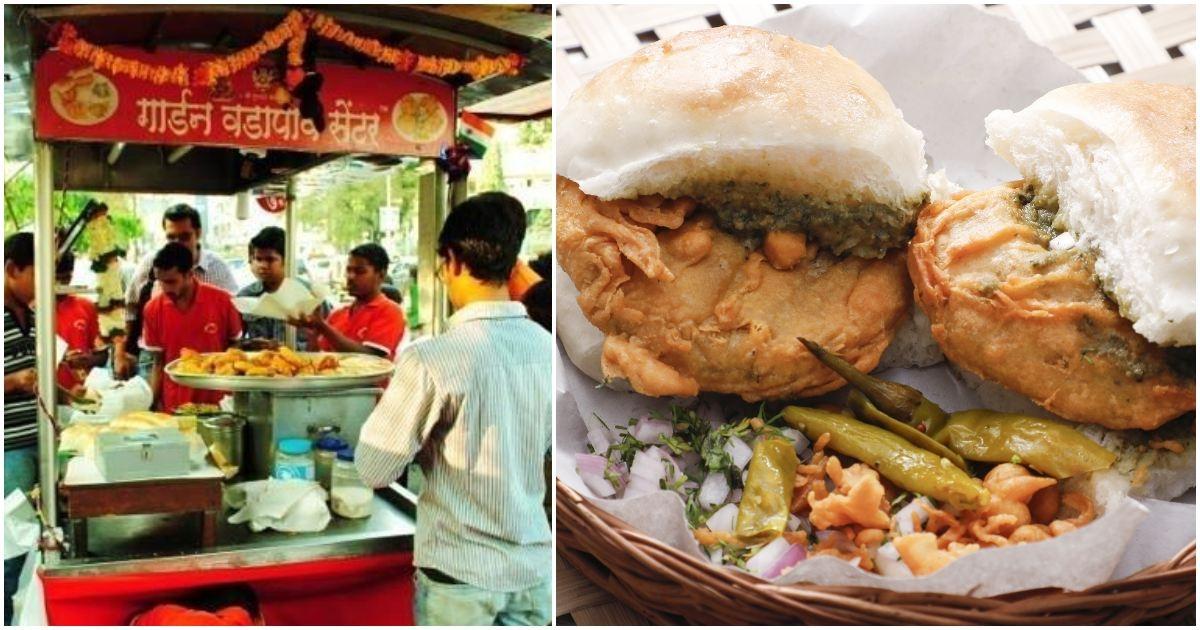
My memories of growing up in Pune are inseparable from the food we ate and the places we queued for. Today the city has incredible restaurants, microbreweries and global fast-food brands, but some of the old favourites from 40 years ago are still going strong, now run by the third and fourth generation of the same families.
One of them is Garden Vada Pav. Vada Pav is the darling of Indian street food, often described as “India’s version of a burger”. It is tasty, very affordable and the go-to hunger buster for the masses. What you see in the photo costs about 50 rupees (around NZ$1).
Garden Vada Pav began as a hand cart in a busy central part of Pune. Today there’s a permanent shop across the road with an extended menu and always crowded. But the original cart still operates for people in a hurry. It is Pune’s version of a drive-through. And it is a must-have every time I am in Pune.
Warm regards,
Malhar
Good Food Journeys