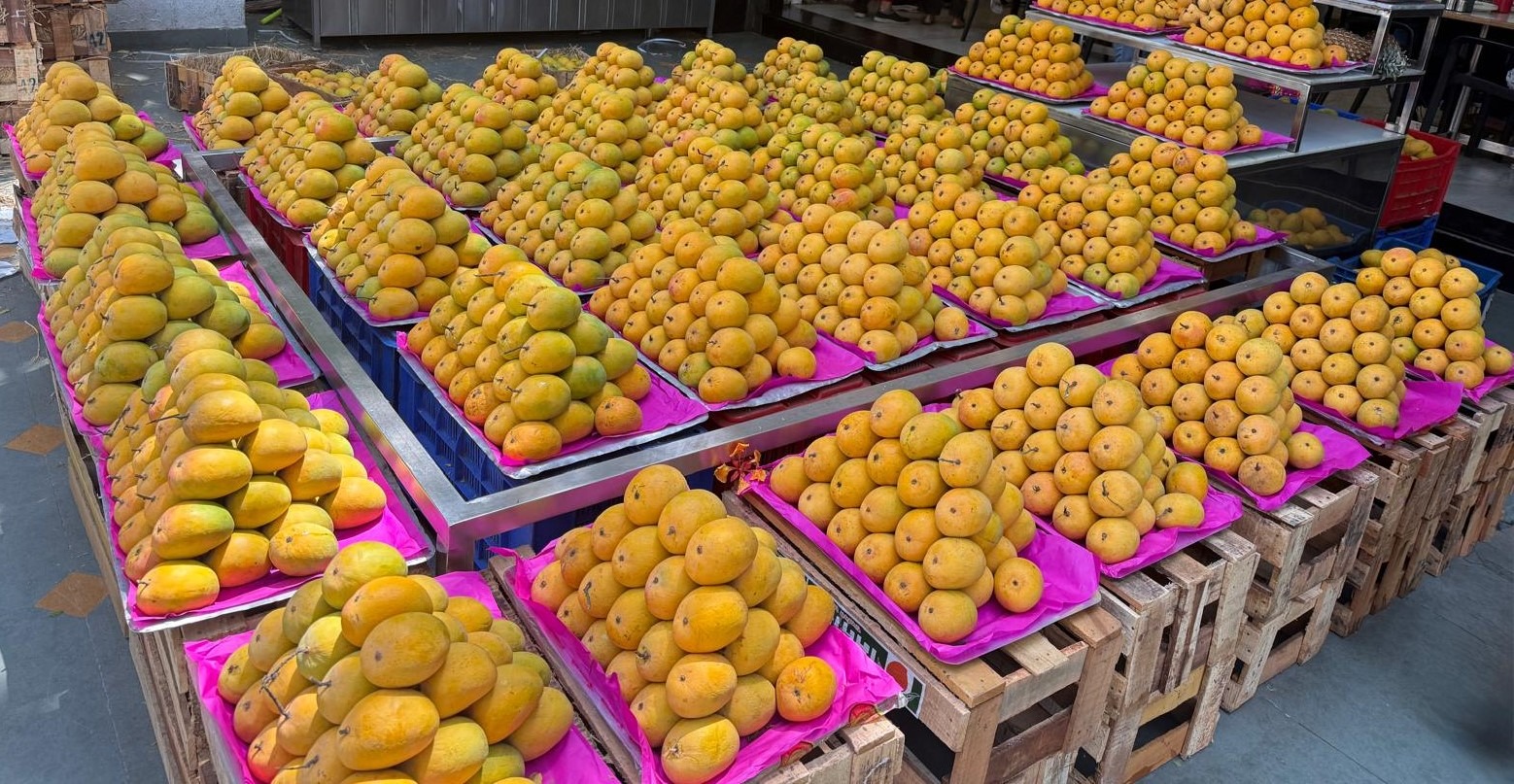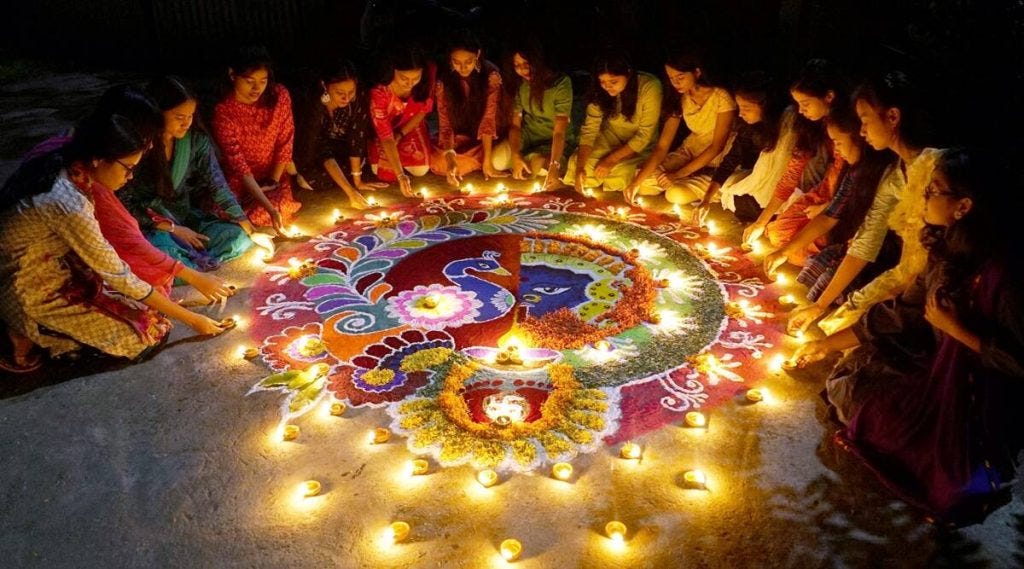
As homes across India light up with the glow of diyas (lamps), doorways are decorated with colourful rangoli, and families come together to share festive meals and sweets, we wish you and your loved ones a very Happy Diwali.
Known as the Festival of Lights, Diwali symbolises the triumph of light over darkness and good over evil. It is a time of hope, renewal and new beginnings, celebrated by millions of people in India and around the world.
For me, one of the loveliest things about Diwali is how much of it revolves around family, food and sharing. Streets sparkle with fireworks, and local markets will be buzzing with Diwali decorations, creating a joyful atmosphere. There is cooking to be done, sweets to be exchanged, and friends and family to visit. It’s these simple traditions, passed down through generations, that make the festival so special.
To be honest, in many ways, Diwali in India feels a little like Christmas in New Zealand. Schools close for the holidays, many businesses and offices take a break, families travel to be together, and shopping centres and markets are buzzing in the lead-up to the celebrations. It’s a time for catching up with loved ones, exchanging gifts, preparing special meals and enjoying a few days of festivities.
And for Good Food Journeys, Diwali holds a special place in our own story. But before I tell you why, let’s explore what makes this festival so special.
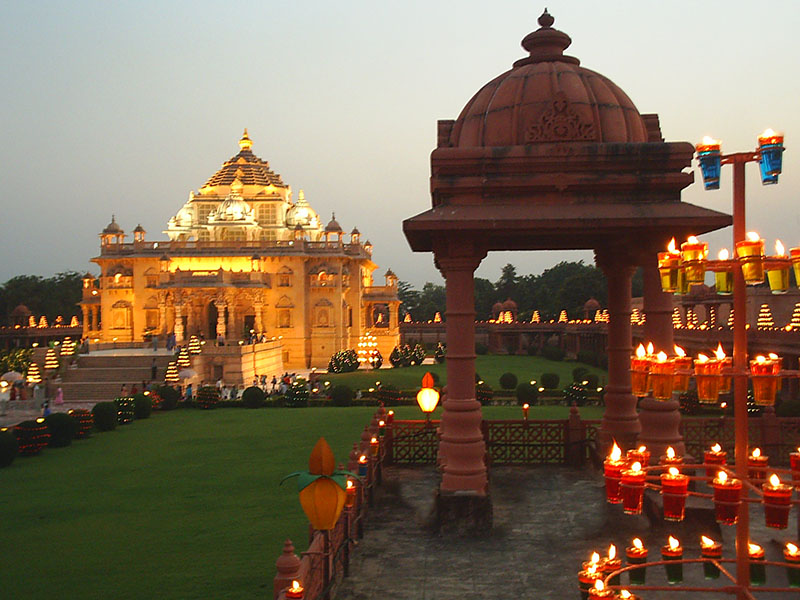
Have you ever wondered why Diwali is celebrated with so many lights?
One of the best-known stories comes from the Hindu epic, the Ramayana. After 14 years in exile, Lord Rama returned to his kingdom of Ayodhya (situated in North India) with his wife Sita and brother Lakshmana, having defeated the demon king Ravana (the ten headed demon whose effigy is burnt during Dusserah). According to tradition, the people of Ayodhya lit rows of oil lamps to welcome them home and celebrate the victory of good over evil.
The lamps became a powerful symbol of hope, light and the triumph of righteousness- an image that continues to define Diwali today.
Diwali isn’t just one day of celebration. Across much of India, the festivities unfold over five days, each with its own stories, rituals and reasons to celebrate.
Day 1: The start of the Diwali festivities, when many families buy gold, silver or new household items to welcome prosperity and good fortune.
Day 2: Celebrates Lord Krishna’s victory over a tyrannical demon king, symbolising the triumph of good over evil.
Day 3: The main Diwali celebration, a new moon night, when families worship Goddess Lakshmi and seek blessings for wealth, prosperity and good fortune.
Day 4: Celebrates love and prosperity, traditionally honouring the bond between husbands and wives in Maharashtra (my state). This day also marks the beginning of a new year for some Hindu communities and traders.
Day 5: Celebrates the special bond between brothers and sisters, with prayers for each other’s happiness and well-being.
The common theme across the five days is fireworks, sweets, new clothes, family time and lots of food.
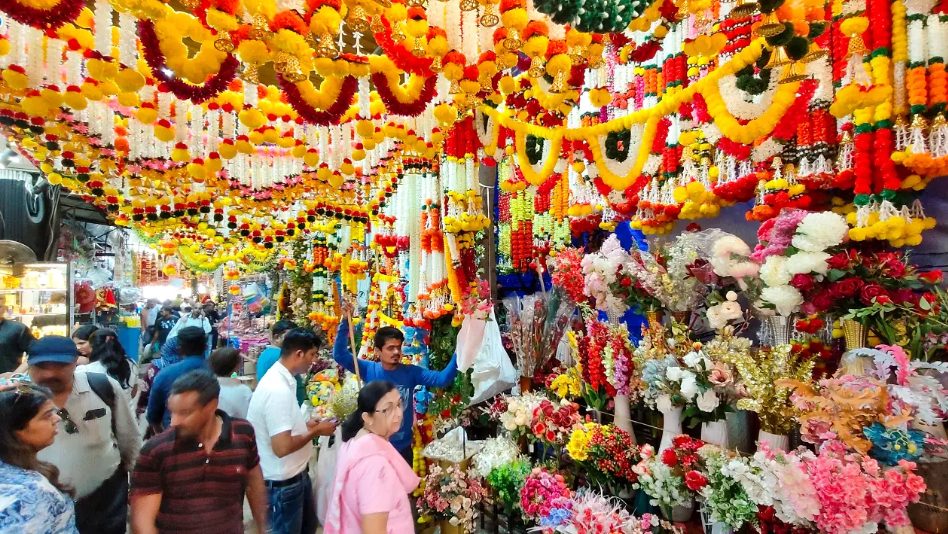
Diwali is one of the biggest shopping seasons in India, and the scale of the celebrations is quite extraordinary.
Gold deserves a special mention. For generations, gold has been associated with prosperity, good fortune and family traditions in India. Many families buy gold jewellery or coins believing it brings good luck and prosperity. In 2025, India’s leading traders’ association estimated that gold and silver trade on Day 1 alone was around NZ$1 billion.
The spending doesn’t stop at gold. According to the Confederation of All India Traders, India’s Diwali-season trade reached an estimated NZ$121 billion, and was a reported 25% increase on the previous year.
Diwali is also a time when millions of Indians travel to be with family or take advantage of the holiday to explore somewhere new. Trains and flights become particularly busy, and popular destinations see a surge in demand. Last year, Indian Railways operated thousands of special trains to help manage the festive rush, carrying more than 10 million passengers on special services before Diwali.
It’s a fascinating glimpse into a country where centuries-old traditions continue to shape everyday life, family celebrations and the modern economy.
Good Food Journeys grew out of three things I have always loved: food, my connection to India and travel. After spending much of my career in the food industry, bringing these passions together felt like a natural next step. I wanted to share the India I know and love with others, not simply through its famous landmarks, but through its food, stories, traditions and the warmth of its people.
And what better way to begin than with Diwali?
In October 2024, we had our very first tour to India, hosted by Chand. We brought together a small group of travellers to experience the country during one of its most vibrant and colourful festivals.
That first tour was special for me. It was an opportunity to share a part of the world that means so much to me, and to see India through the eyes of people discovering it in a different way. Beyond the sights and the itinerary, it was about the experiences, food and festivities.
Looking back, it feels fitting that Good Food Journeys began with Diwali – a festival that celebrates light, new beginnings and the coming together of people.
Two years on, that same spirit is at the heart of what we do. I hope that everyone who travels with us comes away with more than wonderful photographs and memories of beautiful places. I hope they take home a little more understanding of India, a few stories to share, and perhaps a new appreciation for the extraordinary ways food and festivals connects us all.
Warm regards,
Malhar
Good Food Journeys